Current research
I am currently working on two book manuscripts about racial capitalism and the politics of history.
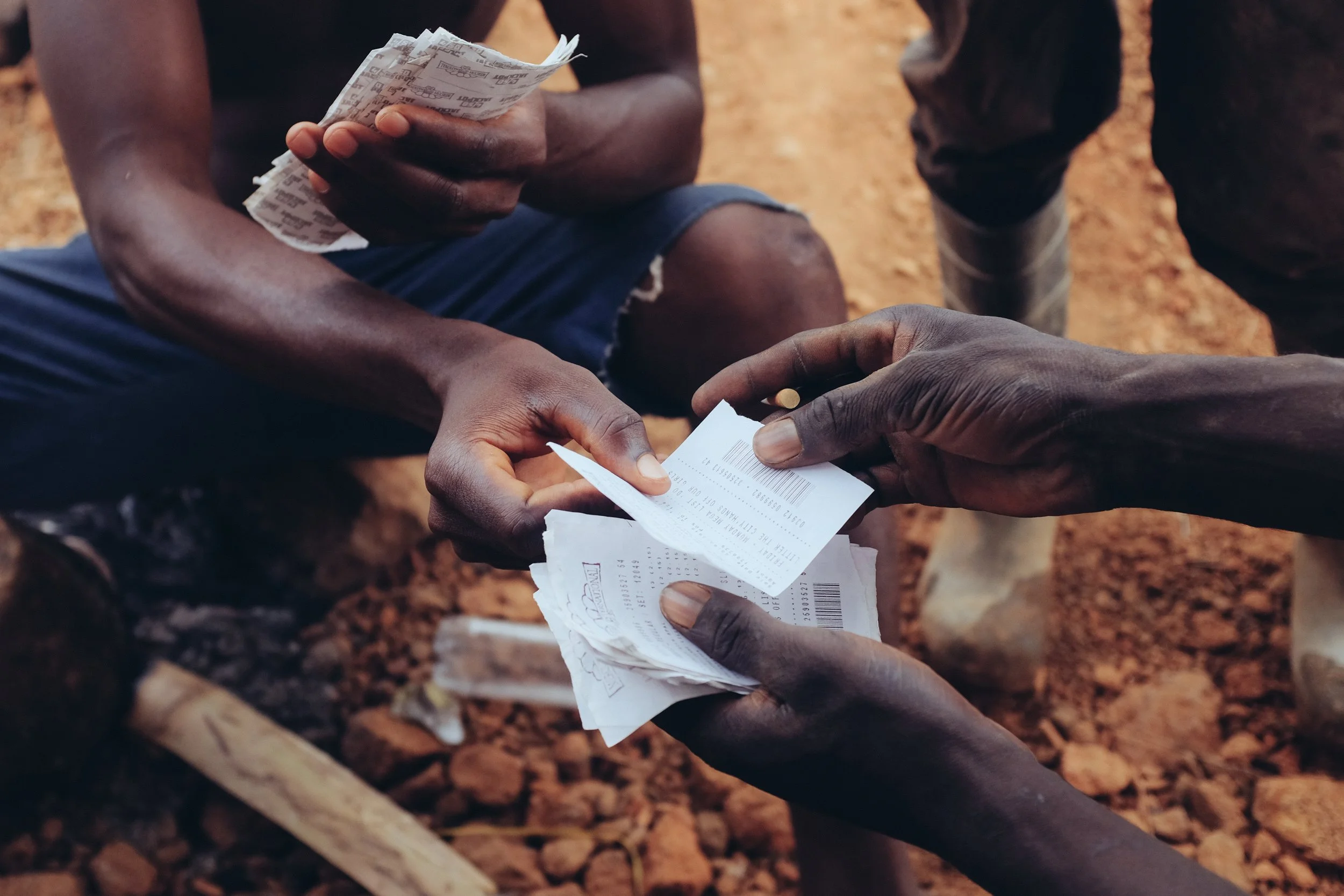
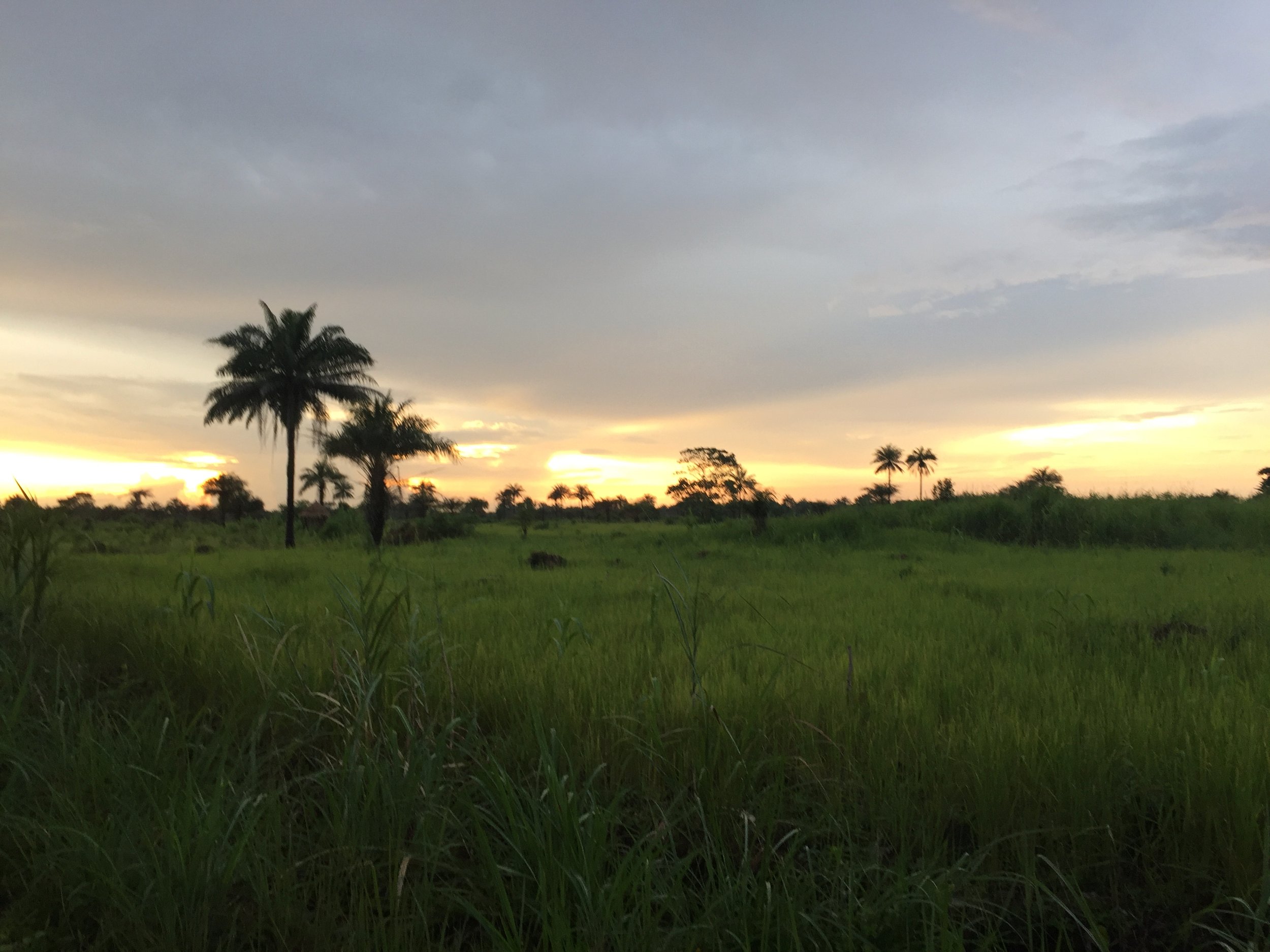
The first is a monograph drawn from my PhD dissertation, Property’s Futures: Landscapes of Reconstruction in Sierra Leone.
An ethnographic and historical study of reconstruction as a material and psychic practice for organizing black life—following W.E.B. Du Bois—the book argues that today’s future-fixated, technocratic governance in Sierra Leone sits squarely within the afterlives of abolition, colonial extraction, and plantation logics that organize land, labor and affect.
Developing an approach that denaturalizes calamity and foregrounds ancestral memory of long-term structural violence, chapters trace the growing cognizance of relations between ecological risk and speculative practices in land and real estate markets in the country, briefly hailed as “Africa’s fastest growing economy” between 2012-2015.
The dissertation argues for a methodological shift that understands official demands for citizens to embody their “resilience” as an enduring anticipation of catastrophe, one that has developed in tandem with normative aspirations for the “good life” in Sierra Leone. In contrast with the universal claims of liberal community, democratization and material renewal that accompanied the end of civil war, I track how manual work involved in excavating the foundations for residential sites in the new suburbs of Freetown coincided with a broader panic around the rising value, obscure origins, and growing scarcity of property, examining moral accounting around the relationship between prosperity and the uneven distribution of social injury.
By situating ethnographic material on building, work and wealth alongside debates on global inequality, disaster capitalism, race and the poetics of history, I demonstrate the variety of social factors that sustain the violent futurity of growth. More pointedly, I argue that Sierra Leone reveals a shrinking zone of accountability for the human costs of development “by any means necessary,” as disasters increasingly reflect the retreat of the state in its capacity to protect or preserve human life. Ultimately, the dissertation underscores the contradictions of liberal governance in the wake of empire, new imperial relations in the face of old, and the seemingly premature claim of freedom therein.
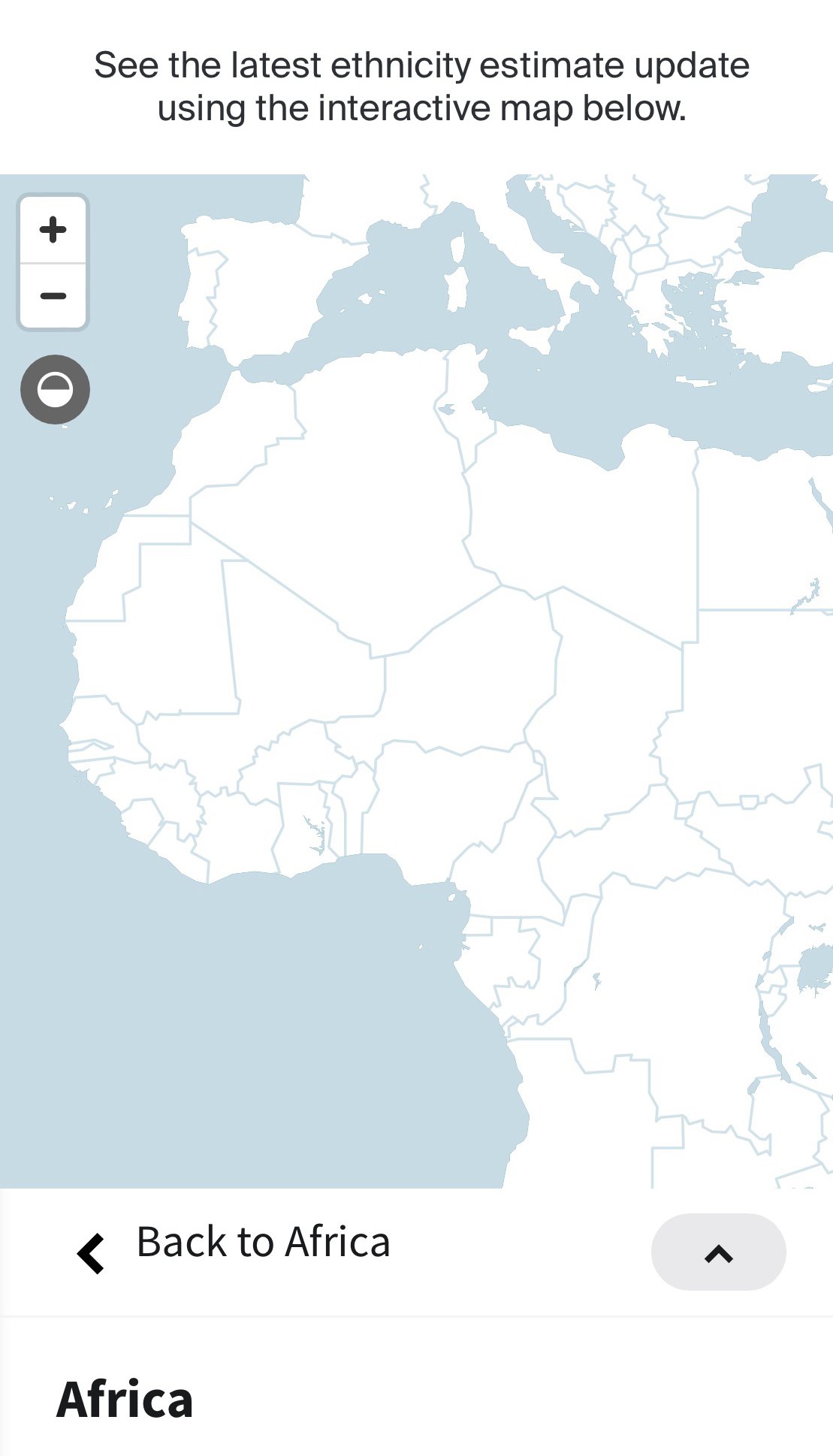
The second is a hybrid memoir-ethnography on ancestry DNA testing and the platform economy of “origins”.
The project approaches ancestry as a bio-technical idiom haunted by the occluded genealogy of racialized knowledge in everyday life, reappearing in contemporary culture wars over indigeneity, authenticity, and belonging. Such disjunctions raise questions about what is inherited—and by whom—when genetic substance is refigured as code.
How does genetics collide with consumer desire for self-knowledge and the value of ancestral experience? What new frontiers of accumulation and governance are concealed within the promise of personal discovery? What is at stake when that code is mediated through emergent technologies that render ancestry into statistical abstractions: life chances, gene pools, haplogroups, bell curves, and “traits”?
My interest in these questions stems from long-term ethnographic research and engagement with the personal and collective stakes of ancestry, drawing on extended ethnographic fieldwork in Sierra Leone. For many African-descended people, genetic results are scattered across shifting regions that often contest, erase, or overlap subjective conceptions of “homelands.” Moreover, algorithmic technologies produce an ever-shifting and disjointed “DNA story” that frequently departs from the inheritances of lived memory and familial kin narratives, enabling others to claim the “birthright” of citizenship, whilst exposing the paradoxes and attendant privileges of nationhood.
The project aims to contribute to inheritance studies and theories of posthumanism, foregrounding how genomic knowledge authorizes new connections to place, time, and the human body. Amid ongoing debates over the futures of the quantified self, the research investigates the anthropological imagination that sustains attachments to concepts of ancestral origins despite their flawed epistemological premises. Ultimately, the research theorizes “relation” itself as a category of understanding through which selves and others are continuously reproduced, even when grounded in the seemingly objective authority of the genome.
Selected publications
“Sweet Mother”: The Neoliberal Plantation in Sierra Leone
Marginalia: Notes on the Teachable Moment
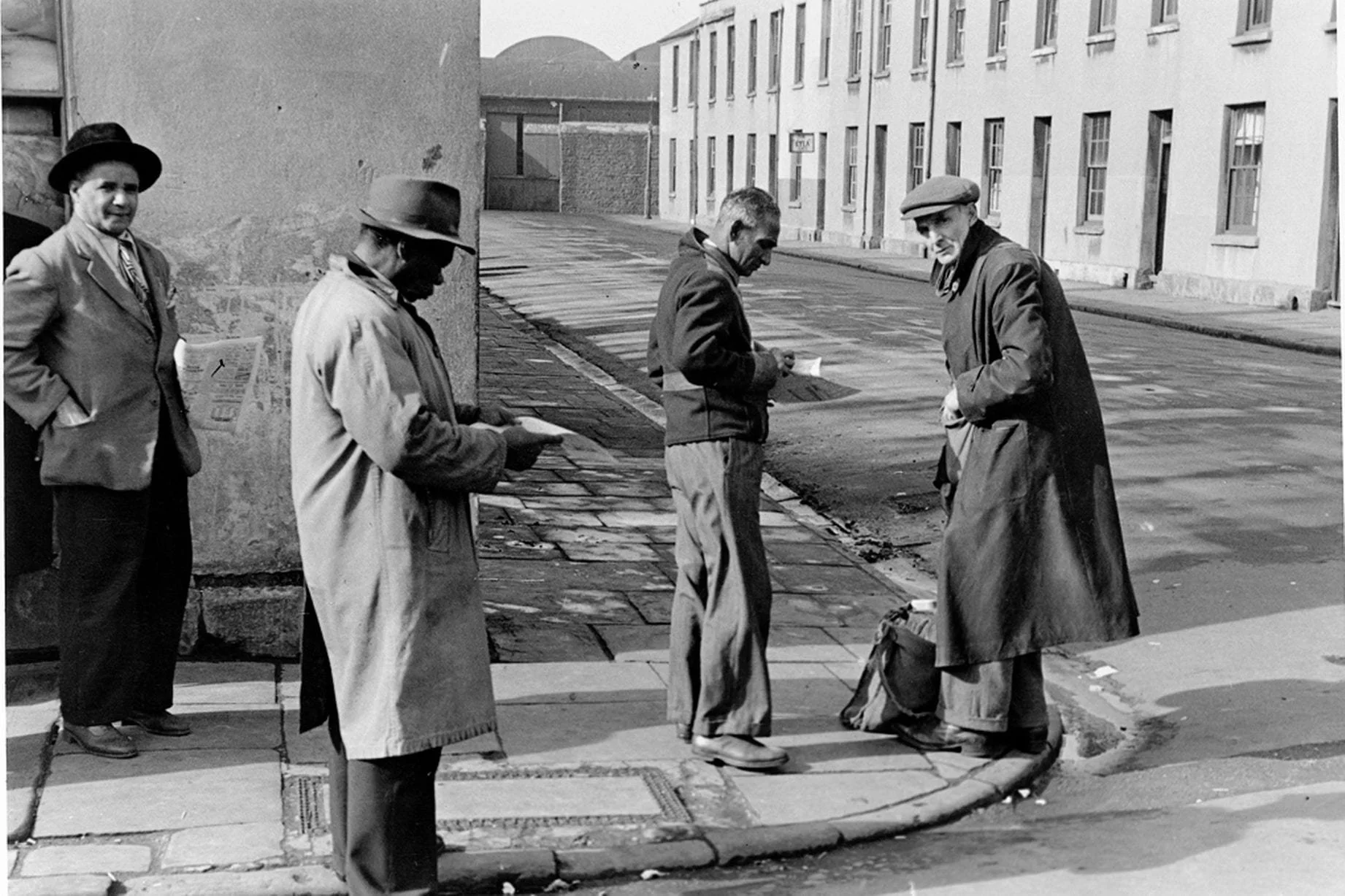
Empire of Abstraction: British Social Anthropology in the “Dependencies”
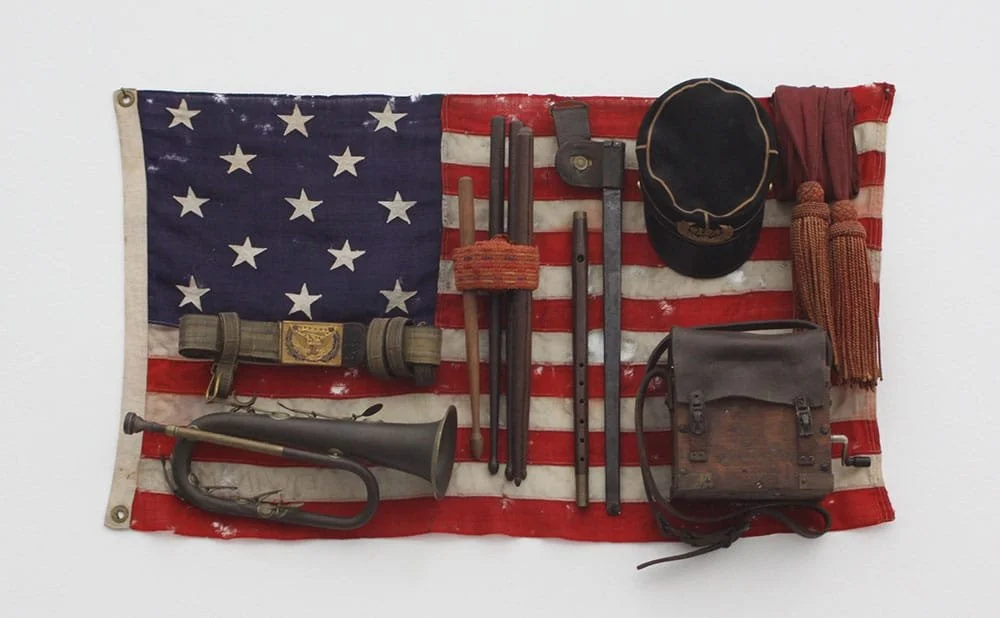
Danh Vo's "Tiny Diasporas" at the Guggenheim
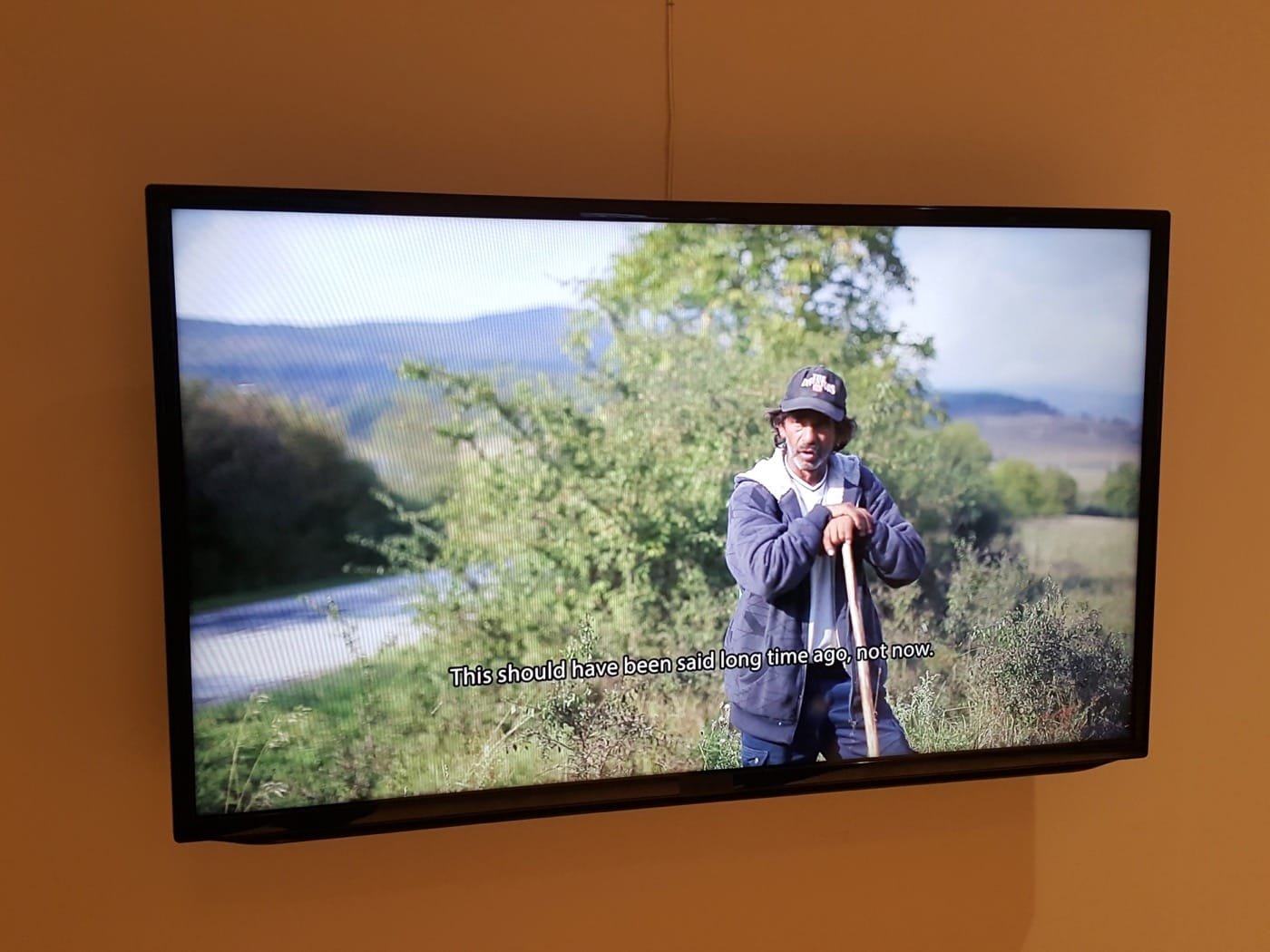
An Artist Examines the Rise of New European Nationalism
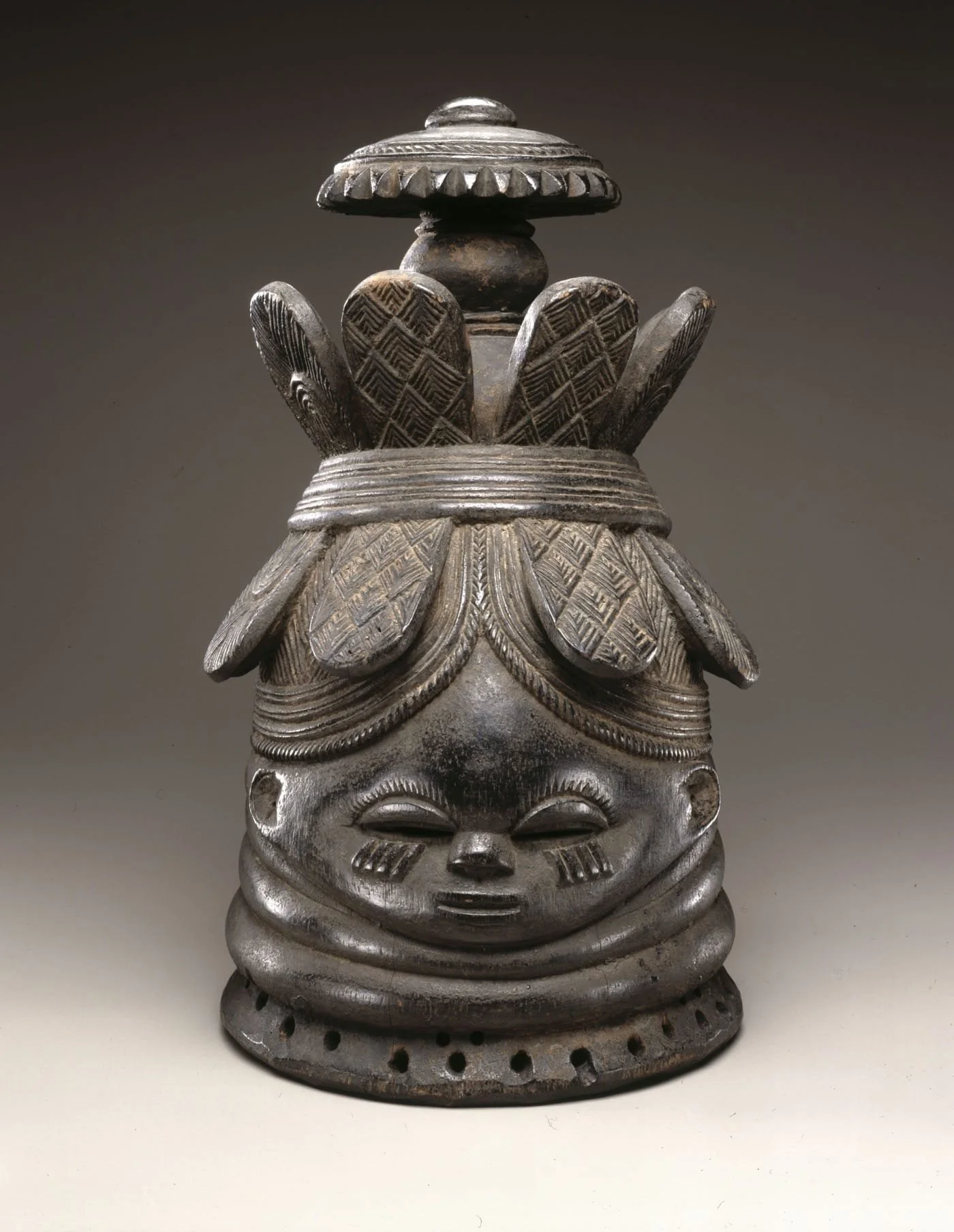
What a Show About Masks Might Really Be Disguising
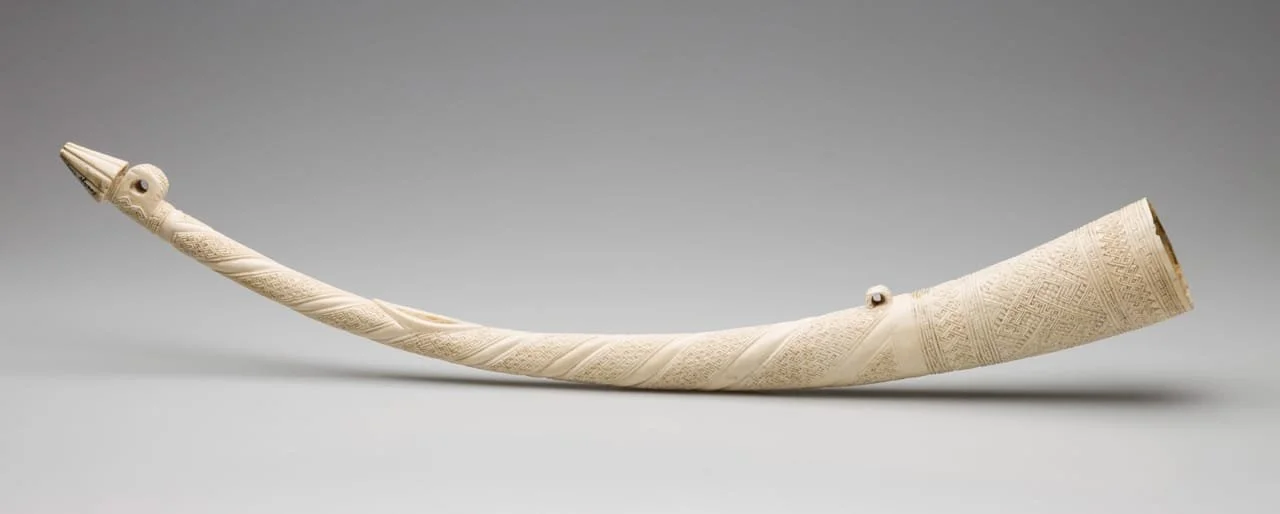
Colonialism and Power: A Conversation About the Met's Kongo Show